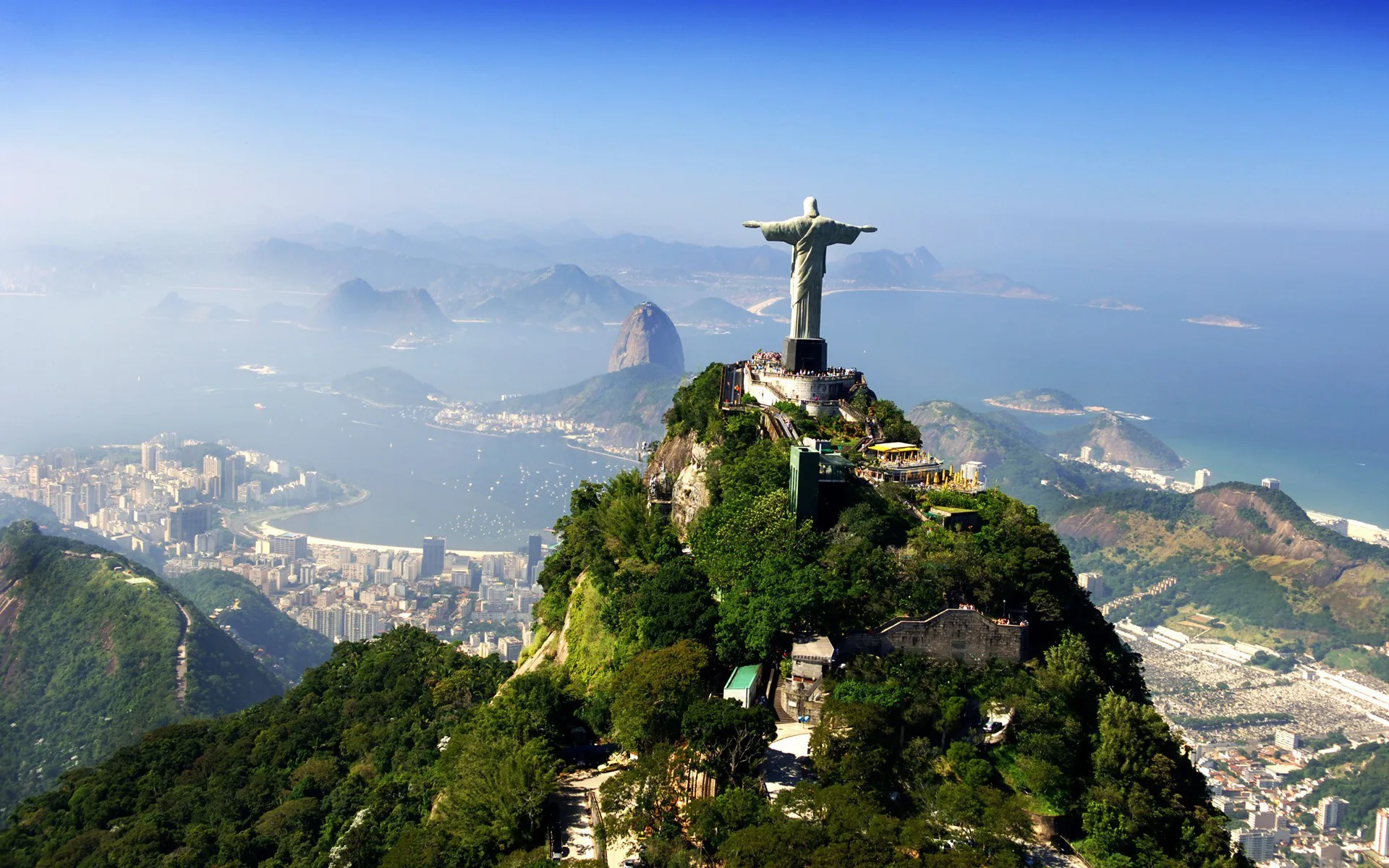
The Great Wall of China
Northern China
Stretching over 13,000 miles, the Great Wall of China is an ancient series of walls and fortifications built to protect Chinese states and empires against raids and invasions. Its history dates back to the 7th century BC, with most of the existing wall built during the Ming Dynasty.
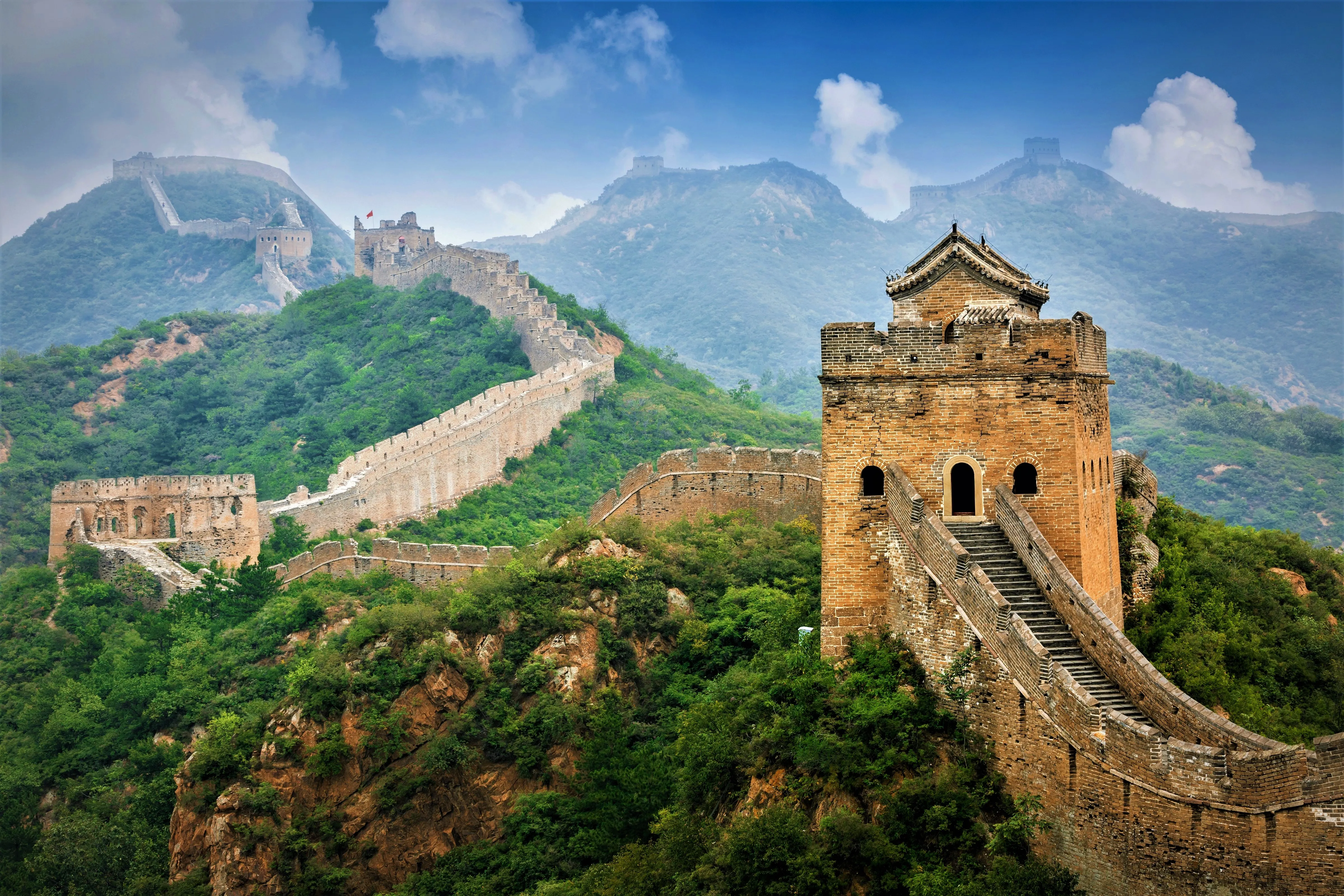
Petra
Ma'an Governorate, Jordan
Carved into pink sandstone cliffs, Petra was the capital of the Nabataean Empire around 300 B.C. This ancient city features tombs and temples carved into rose-colored stone, earning it the nickname "Rose City." The site remained unknown to the Western world until 1812.
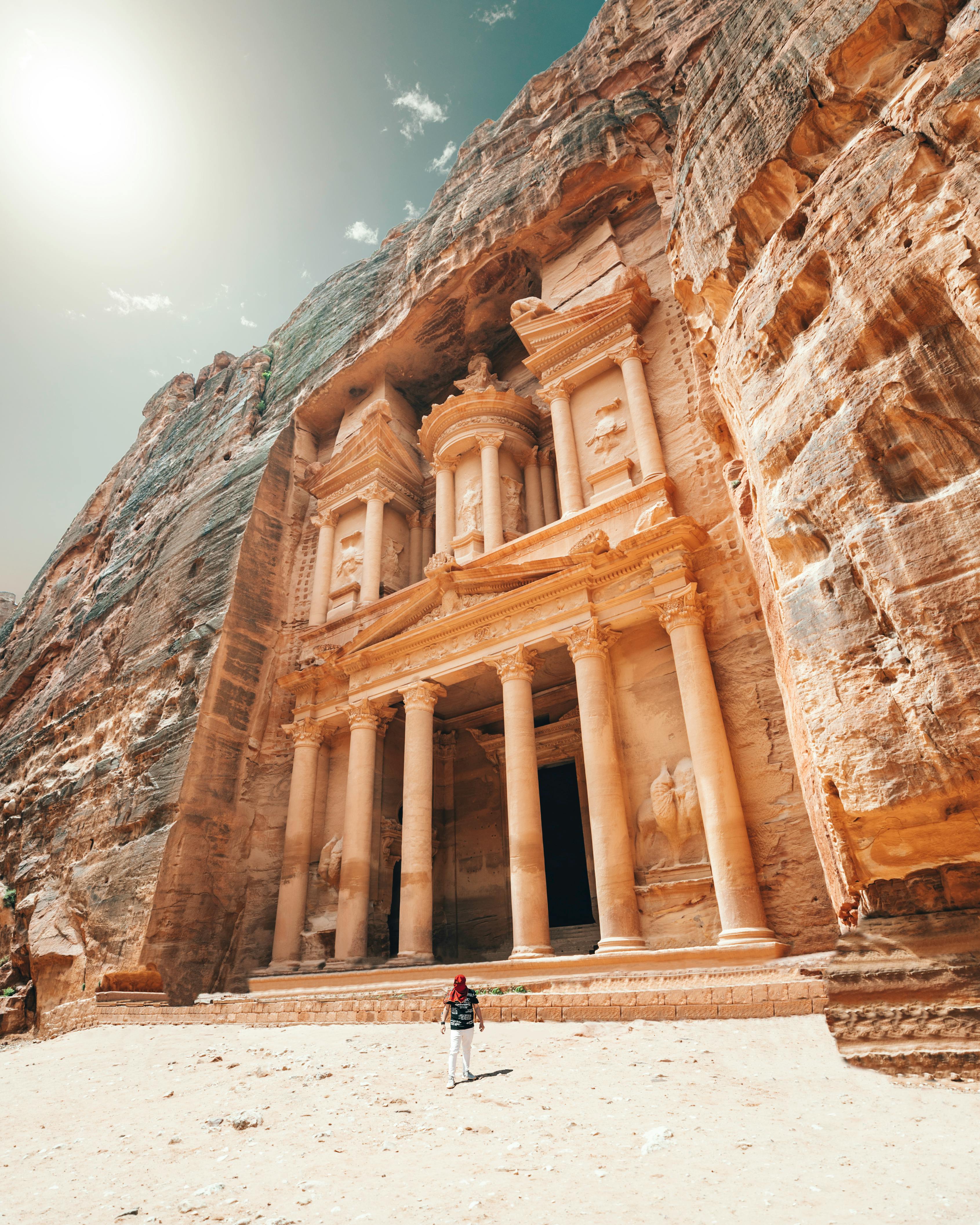
The Colosseum
Rome, Italy
Built between 70-80 AD, the Colosseum is an oval amphitheater in the center of Rome. It could hold up to 80,000 spectators and was used for gladiatorial contests and public spectacles. It remains one of the greatest achievements of Roman architecture and engineering.
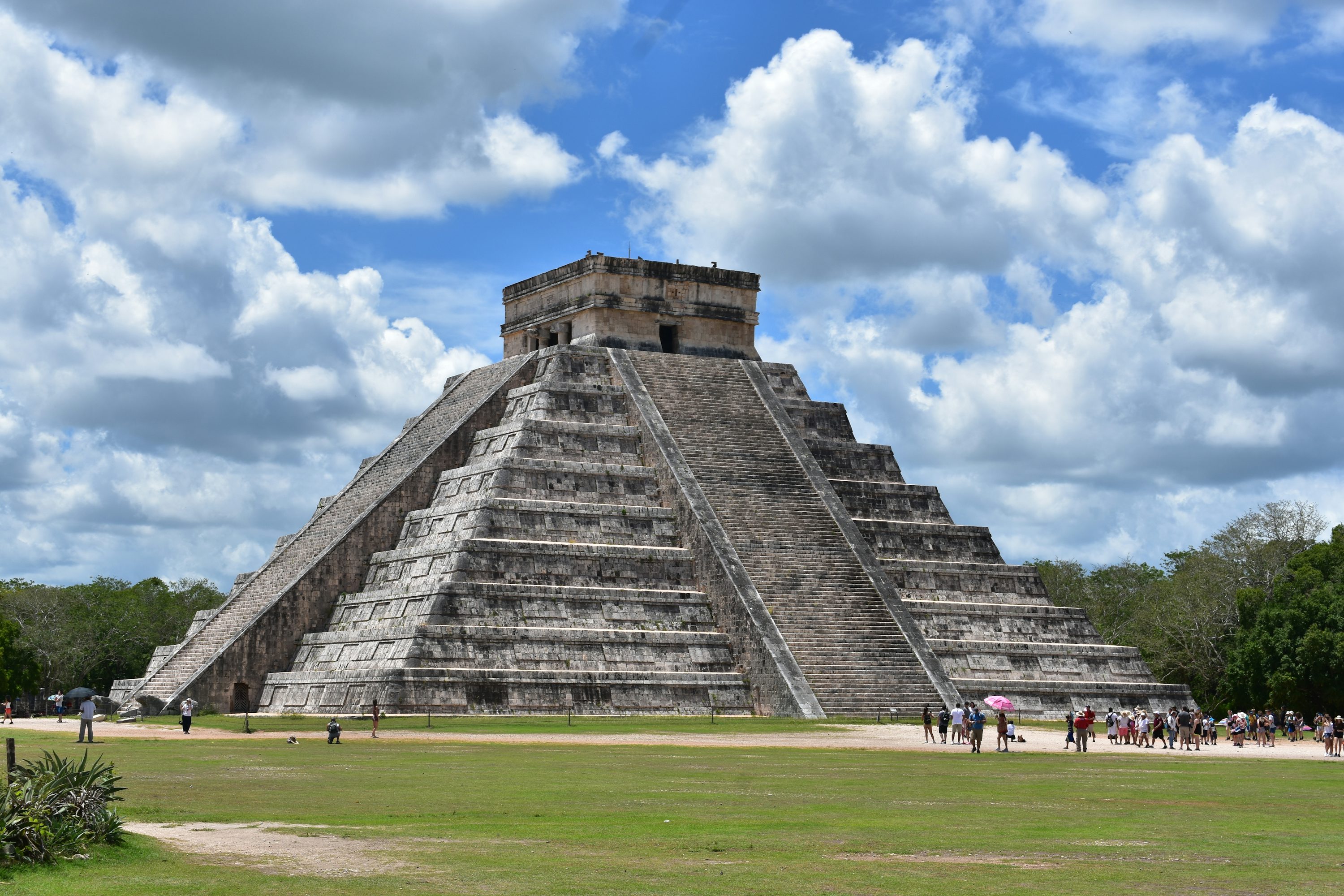
Chichen Itza
Yucatán, Mexico
A pre-Columbian archaeological site built by the Maya civilization, Chichen Itza was a major focal point of the Mayan Empire from 600 AD to 1200 AD. The site exhibits a multitude of architectural styles, from the dominant Puuc style to the Central Mexican style.
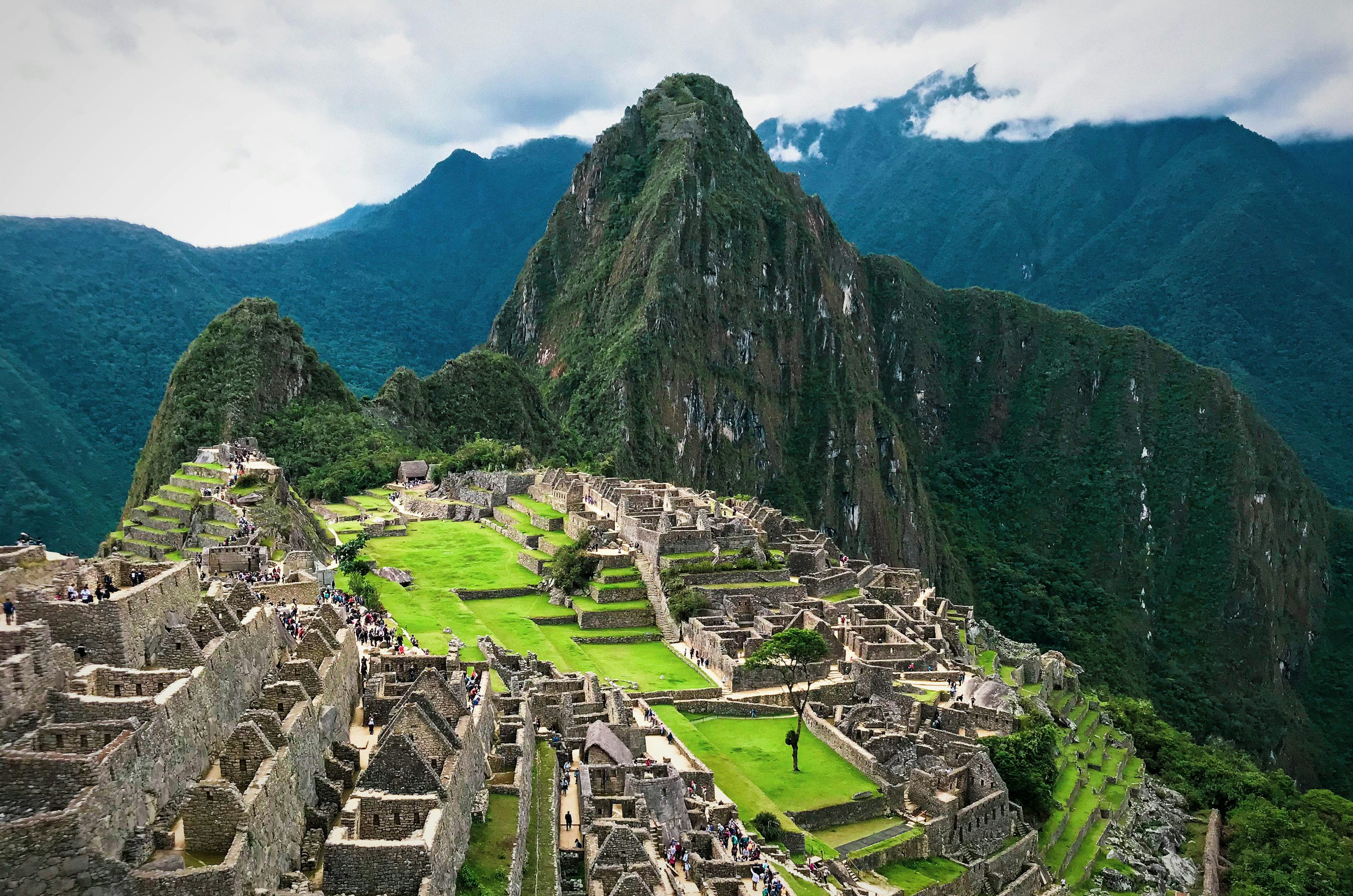
Machu Picchu
Cusco Region, Peru
Nestled high in the Andes Mountains, Machu Picchu is a 15th-century Inca citadel. Built around 1450 and abandoned a century later during the Spanish conquest, this mountaintop marvel remained unknown to the outside world until American historian Hiram Bingham brought it to international attention in 1911.
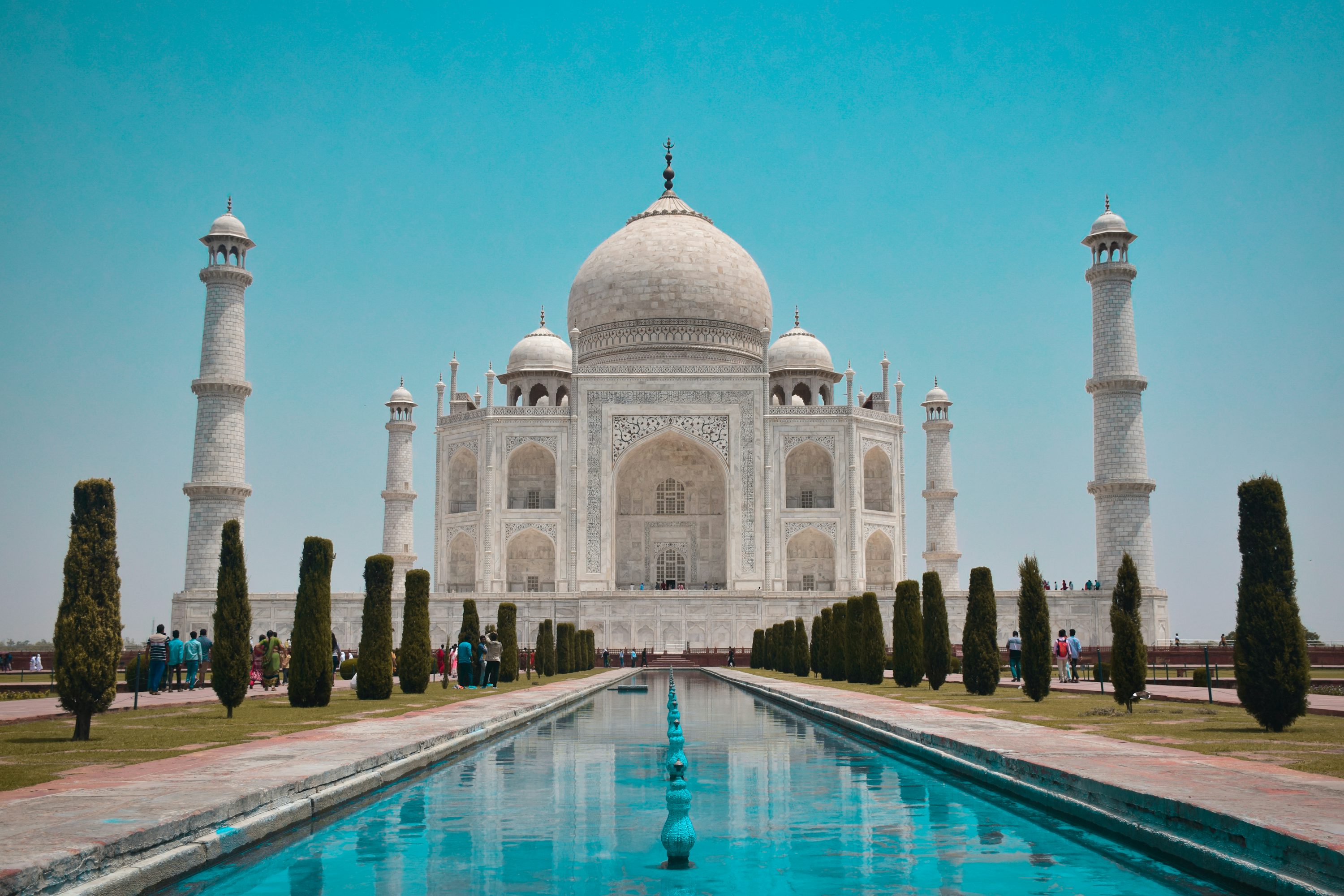
Taj Mahal
Agra, India
An ivory-white marble mausoleum commissioned in 1632 by the Mughal emperor Shah Jahan to house the tomb of his favorite wife, Mumtaz Mahal. The Taj Mahal is the jewel of Muslim art in India and one of the universally admired masterpieces of the world's heritage.
Christ the Redeemer
Rio de Janeiro, Brazil
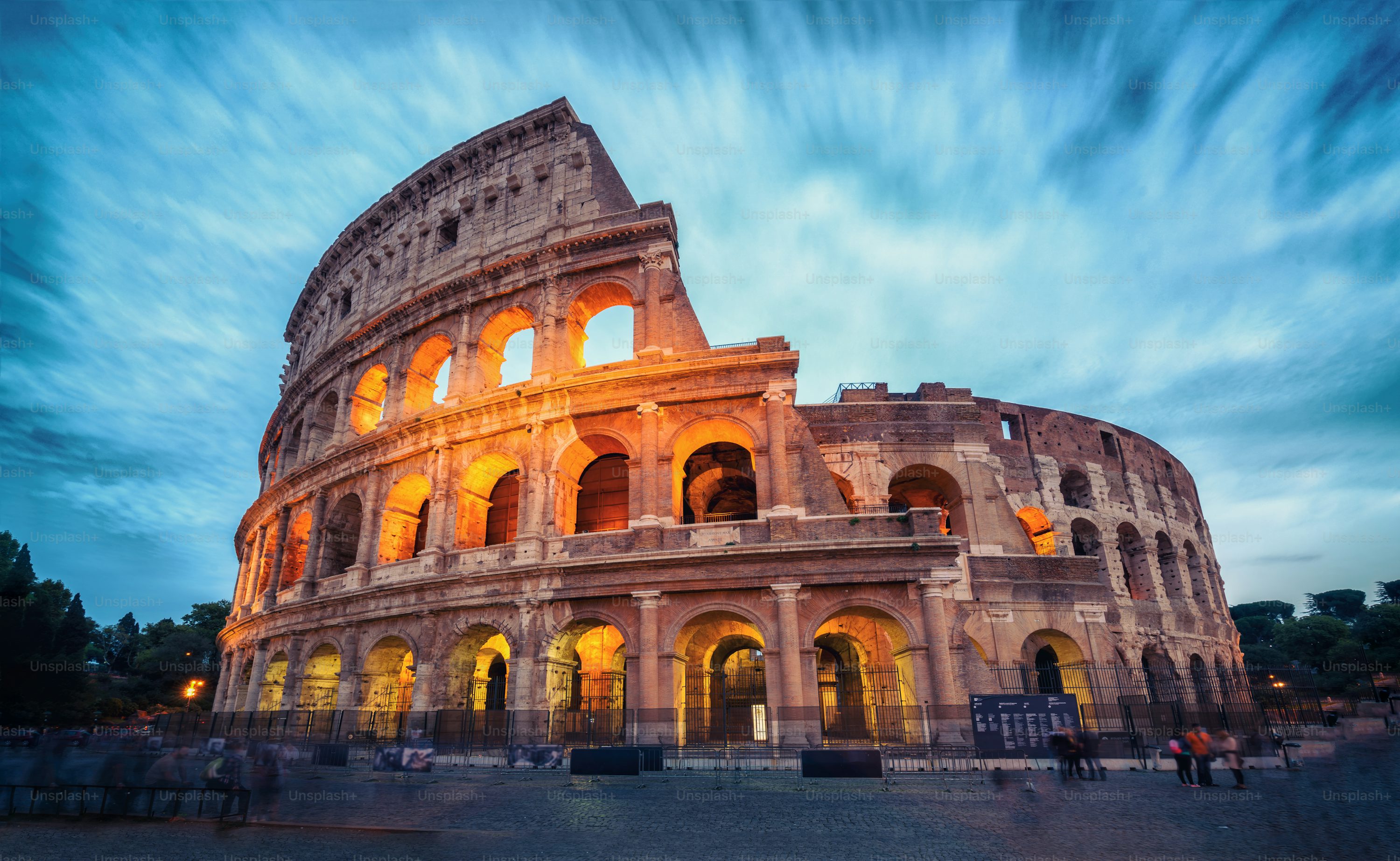
An Art Deco statue of Jesus Christ created by French sculptor Paul Landowski and built by Brazilian engineer Heitor da Silva Costa, in collaboration with French engineer Albert Caquot. The statue stands 98 feet tall and spans 92 feet wide atop the 2,300-foot Corcovado mountain.